
 English
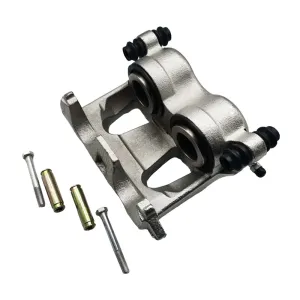
Brake caliper
Brake Caliper: Function, Types, and Importance in Automotive Braking Systems The brake caliper is a critical component in a vehicle's disc braking system, responsible for slowing or stopping the car by converting kinetic energy into thermal energy through friction. It houses the brake pads and pistons, which clamp onto the brake rotor when the driver applies the brake pedal, creating the necessary friction to decelerate the vehicle. Function and Operation When the brake pedal is pressed, hydraulic pressure from the master cylinder forces brake fluid into the caliper. This pressure activates the pistons inside the caliper, pushing the brake pads against the spinning rotor. The resulting friction generates heat and slows the wheel's rotation. Once the pedal is released, the pistons retract slightly, allowing the rotor to spin freely again. Types of Brake Calipers 1. Floating Calipers (Sliding Calipers) - Commonly used in economy and mid-range vehicles. - Feature a single piston on one side of the rotor. - The caliper slides laterally to apply even pressure on both pads. - Lightweight and cost-effective but may wear unevenly over time. 2. Fixed Calipers - Found in high-performance and luxury vehicles. - Equipped with pistons on both sides of the rotor for balanced clamping force. - More rigid and efficient but heavier and more expensive. - Often use multiple pistons (2, 4, 6, or even 8) for enhanced braking power. 3. Opposed-Piston Calipers - A subtype of fixed calipers with pistons arranged symmetrically. - Deliver superior braking performance and heat dissipation. - Commonly used in motorsports and high-end cars. Materials and Design Considerations - Cast Iron or Aluminum: Most calipers are made from these materials for durability and heat resistance. Aluminum is lighter but less heat-tolerant than cast iron. - Seals and Dust Boots: Prevent contamination and ensure smooth piston movement. - Bleeder Valves: Allow air to be purged from the hydraulic system during maintenance. Importance in Vehicle Safety The brake caliper's efficiency directly impacts stopping distance, brake fade resistance, and overall safety. Worn or malfunctioning calipers can lead to uneven pad wear, reduced braking power, or even complete failure. Regular inspection and maintenance—such as checking for leaks, stuck pistons, or corroded slides—are essential for optimal performance. Conclusion As a key element of modern disc brakes, the brake caliper plays a vital role in vehicle safety and performance. Whether in daily commuter cars or high-speed sports cars, its design and functionality ensure reliable deceleration, making it indispensable in automotive engineering. Advances in materials and engineering continue to improve caliper efficiency, contributing to shorter stopping distances and enhanced driving control.
产品
分类:


新闻
分类:
暂无搜索结果!
案例
分类:
暂无搜索结果!
视频
分类:
暂无搜索结果!
下载
分类:
暂无搜索结果!
招聘
分类:
暂无搜索结果!
推荐产品
暂无搜索结果!



 Whatsapp
 电话
电话